Microdosing THC: A Simple Plan That Works
Microdosing THC: A Simple Plan That Works taps into a growing trend among cannabis users who seek the therapeutic benefits of cannabis without the intense intoxication commonly associated with recreational use. Microdosing THC means taking very small, controlled amounts of tetrahydrocannabinol (THC)—typically between 1 to 5 milligrams—to achieve subtle cannabis effects that support daily wellness.
Recreational cannabis use usually focuses on higher doses to induce noticeable psychoactive experiences or a “high.” In contrast, microdosing emphasizes functional relief, allowing you to manage symptoms such as anxiety, pain, or inflammation while staying clear-headed and productive.
The benefits of controlled low-dose cannabis extend beyond just symptom relief. You can experience:
- Reduced anxiety and stress with minimal sedation
- Enhanced focus and mental clarity
- Steady management of chronic pain or inflammation
- Improved sleep quality without grogginess
This approach is especially relevant for those who want consistent, subtle effects that integrate smoothly into their daily routines. If you need therapeutic cannabis use that supports function rather than impairment, microdosing THC offers a promising path.
Understanding how to microdose effectively empowers you to harness the healing properties of cannabis while avoiding unwanted side effects commonly linked to higher doses.
Understanding the Science Behind Microdosing THC
The endocannabinoid system (ECS) is essential for keeping our bodies balanced and functioning properly. It controls important processes like:
- Mood
- Pain perception
- Sleep cycles
- Appetite
The ECS is made up of cannabinoid receptors (mainly CB1 and CB2), endocannabinoids that our bodies produce naturally, and enzymes that break down these substances. When everything is working well, the ECS helps maintain stability in various bodily functions and responds appropriately to changes.
How THC Interacts with the ECS
THC, the main psychoactive component in cannabis, interacts with the ECS by primarily binding to CB1 receptors found in the brain and nervous system. In small doses, known as low-dose THC, this interaction can be subtle yet effective. Microdosing introduces just enough THC to gently stimulate the ECS without overwhelming it, which helps restore balance in different bodily systems.
Key Effects of Low-Dose THC on ECS Regulation
Here are some key effects of low-dose THC on how the ECS regulates various functions:
- Modulating neurotransmitter release to reduce anxiety and improve mood
- Diminishing pain signals by influencing nerve pathways
- Regulating sleep patterns for better rest without sedation
- Enhancing appetite through mild stimulation of related receptors
This careful interaction with the ECS avoids the strong intoxicating effects usually associated with higher doses of THC. Instead, microdosing provides a steady, controlled influence that supports symptom relief while maintaining cognitive clarity and daily functionality.
The Therapeutic Potential of Microdosing THC
By working in harmony with your body’s natural regulatory systems, microdosing THC offers potential therapeutic benefits that align with your specific physiological needs without causing impairment or discomfort.
The Benefits You Can Experience with Microdosing THC
Microdosing THC offers a range of therapeutic benefits while maintaining functional clarity throughout the day. The low doses provide symptom relief without triggering strong psychoactive effects, making it a practical choice for many users.
Key Therapeutic Benefits
1. Reduced Anxiety
Small amounts of THC have been shown to ease anxious feelings by modulating the brain’s stress and fear responses through the endocannabinoid system. This can help you stay calm and centered without feeling sedated or overwhelmed.
2. Improved Focus
Unlike higher doses that may cause cognitive fog, microdosing often sharpens mental clarity. Users report enhanced concentration and productivity, which is especially useful for those managing attention-related challenges.
3. Steady Symptom Relief
For chronic conditions like pain or inflammation, microdosing provides consistent symptom management. The gentle interaction with ECS receptors helps reduce discomfort without the peaks and valleys associated with larger doses.
4. Inflammation Control
THC’s anti-inflammatory properties play a role even at low doses. This supports users dealing with autoimmune conditions or localized inflammation by reducing swelling and promoting recovery.
5. Better Sleep Quality
A carefully timed microdose in the evening can promote restful sleep by relaxing the nervous system and regulating sleep cycles without causing grogginess the next day.
Minimal Side Effects
One of the most attractive aspects of microdosing THC is its ability to avoid common negative side effects associated with traditional cannabis use:
- Drowsiness: Low doses typically do not induce tiredness, allowing you to remain alert during daily tasks.
- Paranoia: High THC concentrations can trigger anxiety or paranoia in sensitive individuals. Microdosing minimizes this risk by keeping THC levels subtle and manageable.
The controlled approach means you can tailor your experience to achieve targeted relief without sacrificing mental clarity or daily functionality. This balance is why microdosing is gaining traction among people who want therapeutic effects from cannabis but need to maintain an active lifestyle.
Crafting Your Personalized Microdosing Plan for Success
Creating a personalized microdosing plan is essential to unlocking the therapeutic potential of THC without unwanted side effects. The foundation of an effective dosing strategy lies in understanding your body’s unique response and adjusting accordingly.
1. Start Low and Go Slow: The Key to Finding Your Optimal Dose
- Begin with very low doses, typically between 1 to 2.5 mg of THC. This small amount is enough to gently engage your endocannabinoid system without overwhelming it.
- The goal is to achieve symptom relief while avoiding intoxication, so resist the urge to take larger amounts early on.
- Maintain this initial dose for several days to observe how your body reacts. Effects might be subtle, but they provide critical feedback.
- Gradually increase the dose in small increments if needed, perhaps by 0.5 to 1 mg every few days, based on your individual response.
- Pay attention to both positive outcomes and any mild side effects such as slight dizziness or fatigue; these signals help you find the perfect balance.
- This gradual adjustment minimizes risks and allows you to tailor the regimen precisely to your needs.
Adopting this “start low and go slow” approach makes your microdosing journey manageable and sustainable. It transforms experimentation into a controlled process where you can refine your dose carefully over time. This step sets the stage for more precise consumption methods and tracking techniques that optimize therapeutic benefits without compromising daily function.
2. Methods for Precise Dosing: Choosing the Right Consumption Method for You
Selecting the right consumption method is crucial to executing a successful personalized microdosing plan. Precise THC measurement ensures you can apply a consistent dosing strategy and make gradual adjustments with confidence. Different formats offer varying levels of control, onset times, and user experience.
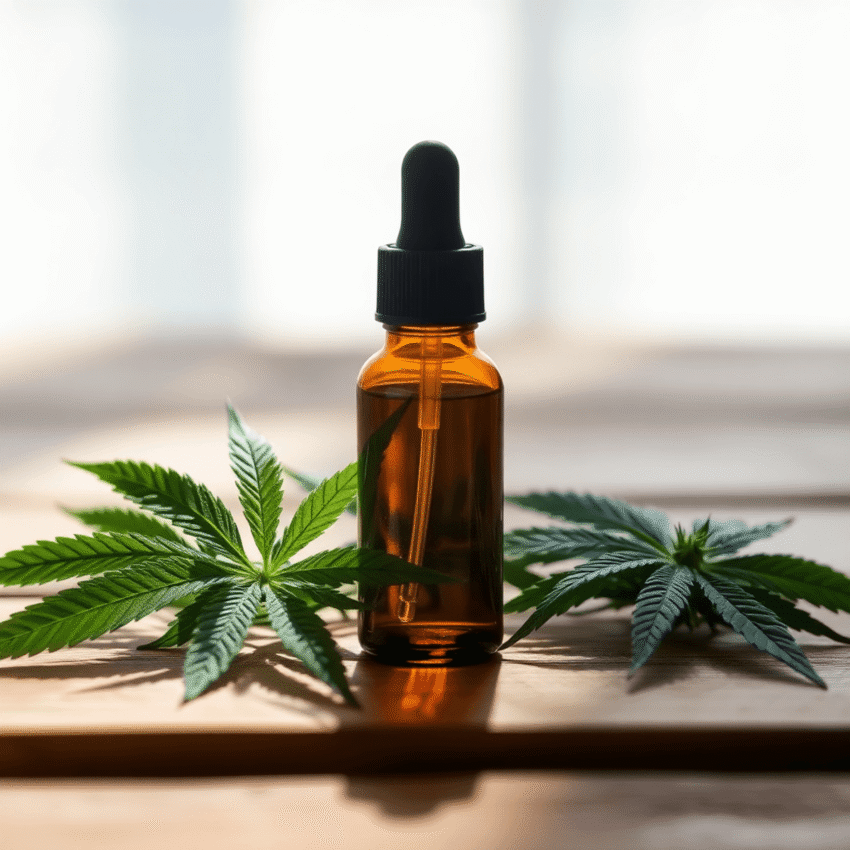
Tinctures with Droppers
Precision: Tinctures come in bottles with droppers marked in milliliters, allowing you to measure exact doses, often as low as 1 mg THC per dropper increment.
Onset & Duration: Effects typically begin within 15–45 minutes and last 4–6 hours.
Pros: Easy to adjust dosage by increasing or decreasing drop volume. Discreet and convenient for daytime use. Can be taken sublingually (under the tongue) for faster absorption.
Cons: Taste may be unappealing to some users. Requires careful measuring each time to maintain consistency.
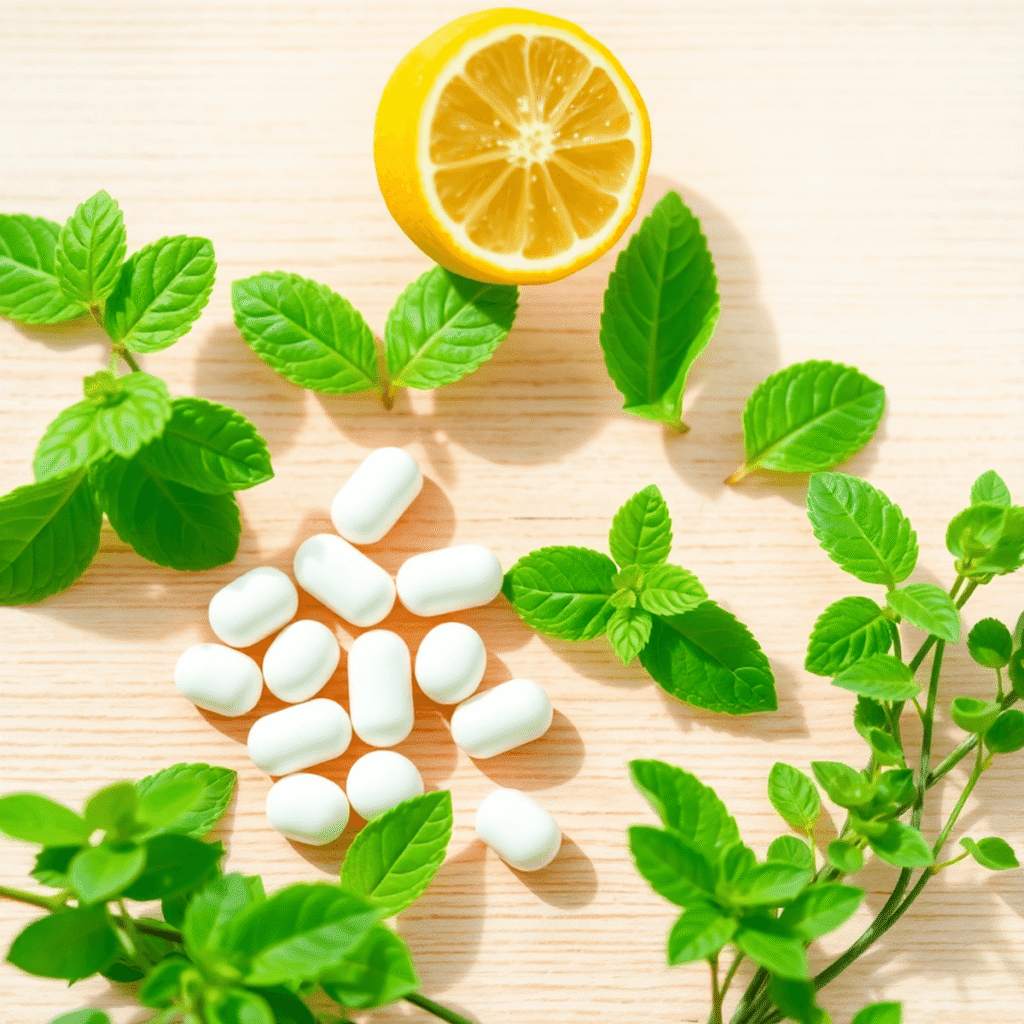
Capsules and Edibles with Known THC Content
Precision: Capsules and edibles are manufactured with exact THC content per piece (e.g., 2.5 mg THC per capsule), simplifying dose control.
Onset & Duration: Onset is slower, usually 30–90 minutes, with effects lasting 6–8 hours or more.
Pros: Convenient and familiar oral format. No need for measuring; pre-dosed units reduce guesswork. Ideal for those who want discreet, portable options without inhalation.
Cons: Delayed onset makes titration slower; harder to gauge immediate effects. Potential variability in digestive absorption between individuals.
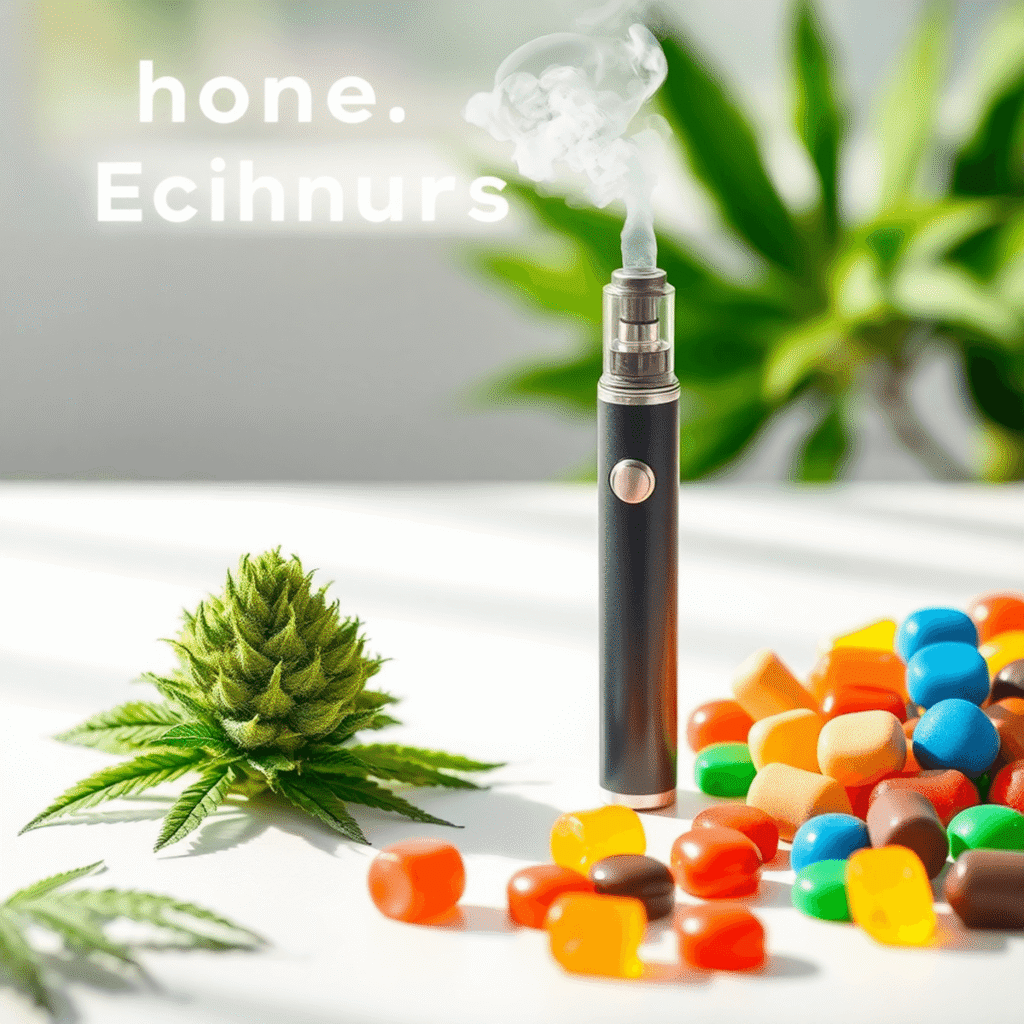
Vape Pens with Controlled Puffs
Precision: Vape pens can offer dose control through counting puffs, each delivering an estimated small amount of THC (often around 1 mg per puff).
Onset & Duration: Rapid onset within minutes; effects last approximately 2–4 hours.
Pros: Fast feedback enables quick gradual adjustment of dose. Easy to stop dosing once desired effect is reached. Portable and discreet for on-the-go dosing.
Cons: Variation in inhalation technique affects dose accuracy. Potential respiratory irritation concerns for some users. Requires equipment maintenance and battery charging.
Each consumption method presents unique advantages and challenges when crafting your Microdosing THC: A Simple Plan That Works. The choice depends on your lifestyle, symptom profile, desired onset speed, and comfort level with different formats. Incorporating this understanding into your personalized microdosing plan lays the foundation for effective symptom relief while minimizing unwanted psychoactive effects.
3. Tracking Your Progress: Fine-Tuning Your Dosage and Timing for Maximum Benefits
Creating a personalized microdosing plan requires more than just choosing the right dose and method. Tracking your progress is essential to optimize your experience and results with microdosing THC. A systematic dosing strategy involves careful observation, noting subtle changes, and making gradual adjustments based on your body’s response.
The Role of a Dosing Journal
Maintaining a dosing journal is one of the most effective tools you have for refining your regimen. Documenting each dose taken alongside the time, method, and effects experienced helps you identify patterns that inform future decisions. Your journal entries might include:
- Exact THC amount consumed
- Time of day and frequency of doses
- Onset time and duration of effects
- Symptom relief levels (e.g., anxiety reduction, pain control)
- Any side effects such as drowsiness or paranoia
- Mood, focus, energy levels, or sleep quality after dosing
Recording this information consistently empowers you to see what works best over time rather than guessing or relying solely on memory.
A dosing journal turns subjective experiences into objective data that guides a more precise and effective microdosing approach.
Using Data to Fine-Tune Dosage and Timing
Microdosing THC benefits from gradual adjustment. Start with low doses (1-2.5 mg THC) and increase slowly while monitoring your journal notes. The goal is to find the minimum effective dose that delivers symptom relief without intoxication.
Tracking timing can reveal how scheduling impacts effectiveness:
- Morning doses may help reduce anxiety or improve focus during the day.
- Spacing multiple smaller doses can maintain steady symptom control for chronic pain.
- Larger evening doses might promote deeper sleep without morning grogginess.
Adjust dose sizes based on real-world feedback from your body. If relief diminishes or side effects arise, revisit your records to tweak amounts or timing accordingly.
Benefits of Consistent Tracking in Microdosing THC: A Simple Plan That Works
- Encourages mindful consumption instead of habitual use
- Prevents accidental overconsumption by providing clear dosage history
- Supports communication with healthcare professionals by offering detailed usage reports
- Enhances confidence in managing symptoms through data-driven insights
Tracking transforms microdosing from a trial-and-error experiment into a strategic, personalized process tailored to your unique needs.
Use this step as a foundation before moving on to further personalize your routine based on symptom type, CBD:THC ratios, and daily lifestyle demands.
Personalizing Your Microdosing Routine Further: Considering Symptom Type, Timing, and Frequency of Doses
Symptom-specific dosing is essential to maximize the benefits of microdosing THC. Every individual’s needs vary depending on the condition being managed, daily schedule, and desired outcomes. Fine-tuning your microdosing routine involves customizing the amount, CBD:THC ratio, and timing of doses according to your unique symptom profile.
Aligning Your Doses with Your Unique Needs
Tailoring Amounts Based on Condition
Anxiety sufferers often benefit from lower THC doses combined with higher CBD ratios. CBD helps counteract THC’s psychoactive effects while supporting calmness and relaxation. A typical starting point might be 1 mg THC paired with a 2:1 or higher CBD ratio.
For chronic pain management, slightly higher THC doses may be necessary to achieve relief. Many find that balanced or equal CBD:THC ratios work well here—for example, 2-3 mg THC with similar CBD amounts—to reduce inflammation and pain without sedation.
Adjusting CBD:THC Ratios for Symptom Control
Symptom-specific dosing requires experimenting with different ratios. Higher CBD content tends to soften the intensity of THC, reducing risks of paranoia or anxiety spikes. This is especially important for those new to cannabis or sensitive to THC’s effects.
Strategies for Timing Throughout the Day
Morning Doses for Anxiety Relief
Taking a low dose of THC combined with CBD early in the day can help reduce anxiety while keeping mental clarity intact. Microdoses in the morning prepare you to face stressors without feeling sedated or impaired.
Multiple Doses for Chronic Pain Control
Spreading out microdoses during daytime hours maintains steady symptom relief. For example, small doses every 4–6 hours sustain anti-inflammatory and analgesic effects without peaks that cause intoxication.
Larger Evening Dose to Aid Sleep
Many users increase their THC dose slightly at night to promote restful sleep. Here, symptom-specific dosing means adjusting quantity upward just enough to encourage relaxation without excessive drowsiness upon waking.
Key Points for Symptom-Specific Dosing Success
- Start by identifying your primary symptoms—anxiety, pain, inflammation—and select initial doses accordingly.
- Adjust both total THC amount and CBD ratio based on how your body reacts.
- Align dose timing with when symptoms typically worsen or when you want relief most.
- Use a dosing journal to note effects throughout the day; this feedback guides gradual adjustments.
- Remember that symptom-specific dosing is dynamic—your ideal plan may shift as symptoms improve or change.
Personalizing your microdosing routine in this way helps maintain functionality while addressing targeted symptoms effectively. It empowers you to harness cannabis therapeutically rather than relying on a one-size-fits-all approach.
Avoiding Common Mistakes in Microdosing THC: Tips from Experienced Users on Getting It Right Without Overdoing It or Mixing Products Incompatibly
Microdosing THC requires careful attention to avoid common dosage mistakes that can undermine your therapeutic goals. Experienced users often highlight key strategies to maintain control and maximize benefits without unwanted effects.
Key Mistakes and How to Avoid Them
-
Starting too high: Jumping in with doses beyond 2.5 mg THC can lead to unintended intoxication and side effects like paranoia or fatigue. Stick with the “start low and go slow” method, adjusting only after several days of consistent dosing.
-
Inconsistent dosing: Varying your dose too much day-to-day makes it difficult to identify what works best. Use precise measurement tools such as tincture droppers or capsules with exact THC content to maintain consistency.
-
Ignoring product onset times: Edibles take longer to kick in (30 minutes to 2 hours) compared to vaping (minutes). Combining these without understanding their timing can cause you to take more prematurely, risking overdose or discomfort.
-
Mixing different consumption methods improperly: For example, vaping then immediately consuming an edible may multiply effects unexpectedly. Space out different methods by at least a couple of hours until you understand your personal response patterns.
-
Underestimating product potency: Not all products are labeled accurately or have uniform THC levels. Purchase from reputable sources offering lab-tested cannabis products with clear dosage information.
Tips for Getting Microdosing Right
- Choose one delivery method initially — master its effects before introducing others.
- Keep a detailed dosing journal — record amount, time, method, and symptom relief or side effects.
- Adjust dose incrementally — increase by no more than 0.5 mg THC every few days based on tolerance and effectiveness.
- Consult knowledgeable dispensary staff or healthcare providers who understand microdosing principles.
- Avoid combining cannabis with alcohol or other sedatives, which can amplify impairment.
- Listen closely to your body’s signals; subtle shifts in mood or focus can guide proper dose adjustments more accurately than chasing stronger effects.
“Microdosing THC: A Simple Plan That Works” depends heavily on patience and mindfulness around dosage and product use. Careful planning helps you harness therapeutic benefits without the risks of overdoing it or mixing incompatible products.
By avoiding these mistakes, you create a sustainable routine that respects your body’s unique chemistry while unlocking the potential of low-dose cannabis for functional daily relief.
EZBud.com: Your Trusted Partner for Successful Therapeutic Cannabis Use
When you commit to Microdosing THC: A Simple Plan That Works, having a dependable source for precise cannabis products is essential. EZBud.com stands out as a premier provider for those seeking reliable cannabis delivery Long Island residents trust.
Why EZBud.com Fits Your Microdosing Needs
EZBud.com offers several key features that make it an ideal choice for your microdosing needs:
- Quality Assurance: Every product undergoes rigorous testing for potency and purity. This guarantees that when you measure out your microdose—whether it’s 1 mg or 2.5 mg THC—you get consistent and accurate results every time.
- Precise Cannabis Products: From tinctures with calibrated droppers to capsules and carefully labeled edibles, EZBud.com ensures you can select products designed specifically for controlled, low-dose consumption.
- Convenient Ordering Process: Their user-friendly online platform makes ordering straightforward. You can browse detailed product information, including THC content per serving, which is crucial for fine-tuning your microdosing regimen.
- Same-Day Delivery Service: If you’re in the Long Island area, you benefit from their same-day delivery option. This means less waiting and more immediate access to the cannabis products you need to maintain your therapeutic routine without interruption.
Supporting Responsible Cannabis Use
EZBud.com promotes responsible consumption practices critical to successful microdosing:
- Clear labeling helps avoid confusion between different product types or potencies.
- Educational resources guide new users through starting low and going slow.
- Customer support teams are knowledgeable about microdosing strategies and can assist in selecting the right product for your symptom management goals.
Accessibility Meets Expertise
Living in Long Island, you have convenient access to quality-assured cannabis products tailored for microdosers thanks to EZBud.com’s commitment to service excellence and product precision. Their platform bridges the gap between medical knowledge and practical application, empowering users to confidently implement Microdosing THC: A Simple Plan That Works into their daily lives.
EZBud.com’s integration of accessibility, precision, and education creates a foundation where therapeutic cannabis use is both manageable and effective.
FAQs (Frequently Asked Questions)
What is microdosing THC and how does it differ from recreational cannabis use?
Microdosing THC involves consuming very low doses of THC to achieve subtle therapeutic effects without intoxication, contrasting with recreational cannabis use which often involves higher doses for psychoactive experiences. This controlled approach offers symptom relief while maintaining functionality in daily life.
How does microdosing THC interact with the endocannabinoid system (ECS) to provide therapeutic benefits?
Microdosing THC gently stimulates the ECS, a key regulator of mood, pain, sleep, and appetite, helping restore balance and improve these functions. Low-dose THC supports ECS regulation without overwhelming the system, leading to steady symptom relief with minimal side effects.
What are the main benefits of microdosing THC for symptom management?
Therapeutic benefits of microdosing THC include reduced anxiety, improved focus, chronic pain relief, inflammation control, and enhanced sleep quality. Importantly, these benefits come with fewer common side effects like drowsiness or paranoia often seen with higher cannabis doses.
How can I create a personalized microdosing THC plan that works for me?
Start low and go slow by beginning with very low doses (1-2.5 mg THC) and gradually adjust based on your individual response. Choose precise consumption methods such as tinctures, capsules, edibles, or vape pens to control dosing accurately. Keep a dosing journal to track effects and fine-tune your dosage and timing for optimal results.
How do I tailor my microdosing routine based on my specific symptoms and daily needs?
Align your doses according to your unique symptoms by adjusting amounts and CBD:THC ratios—for example, morning doses for anxiety relief or multiple doses for chronic pain management. Timing strategies like a larger evening dose can aid sleep. Personalizing frequency and ratios ensures maximum therapeutic benefit throughout the day.
What are common pitfalls in microdosing THC and how can I avoid them?
Avoid overdoing doses or mixing incompatible products such as combining edibles with vaping methods without understanding their effects. Start with low doses, educate yourself on product types, and maintain consistent tracking to prevent adverse reactions. Partnering with trusted providers like EZBud.com ensures access to quality-assured cannabis products suitable for microdosers in Long Island New York with convenient ordering and same-day delivery.