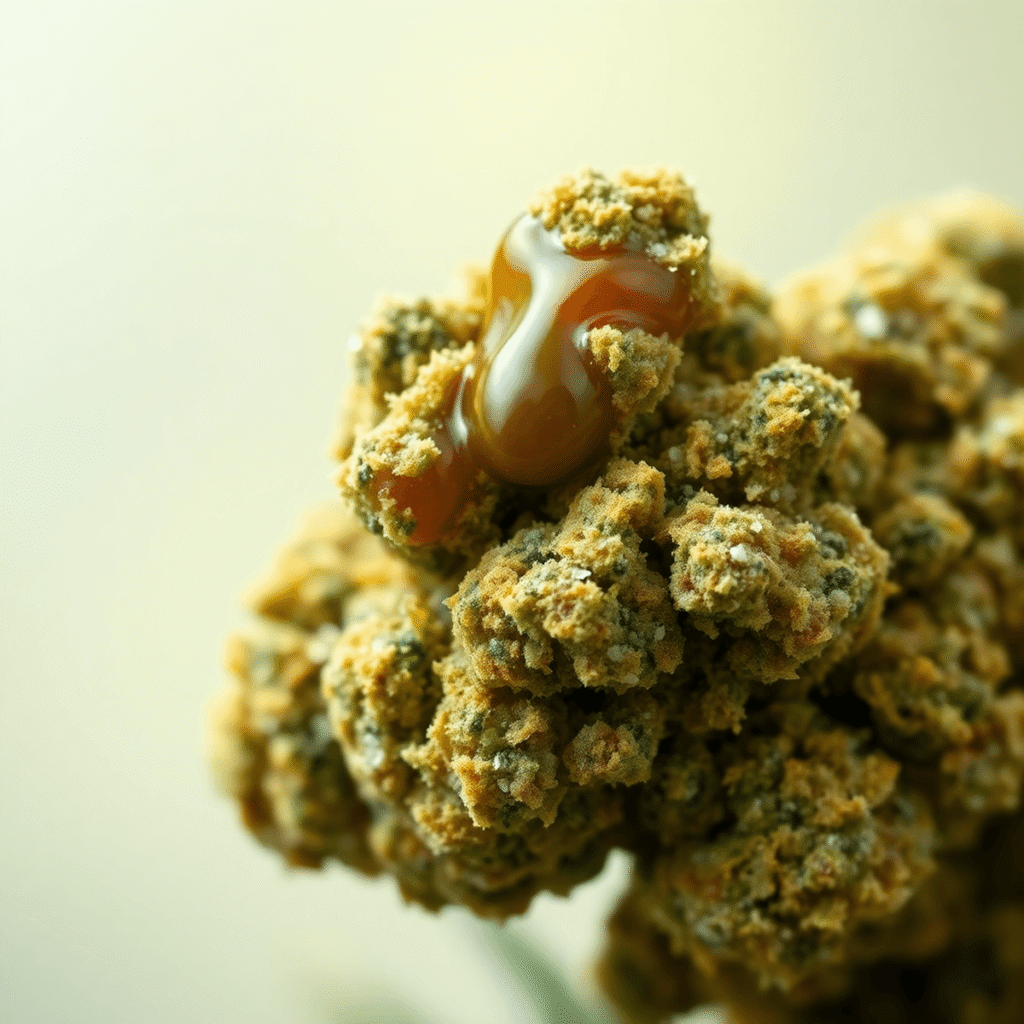

Tolerance Break: The 3-Day Reset People Ignore
A tolerance break, often called a t-break, is a planned pause from cannabis use designed to reset your body’s responsiveness to THC. Frequent consumption leads your system to build tolerance, meaning you need more cannabis to achieve the same effects. Taking a break gives your brain time to recover, allowing receptors involved in the cannabis experience to regain sensitivity.
The concept of a 3-day tolerance break acts as a mini reset. Unlike longer breaks, this short pause can offer noticeable improvements in how you feel after just a few days. It’s an approachable way for light or moderate users to manage tolerance without the commitment of extended abstinence periods.
Despite its benefits, the 3-day reset is often overlooked. Many think only lengthy breaks make a difference or underestimate how even brief pauses can sharpen effects and improve clarity. This neglect means missed opportunities to fine-tune consumption habits and avoid escalating doses.
If you’re looking for practical ways to control cannabis tolerance and maintain enjoyable experiences, understanding this simple yet effective 3-day break could be a game changer.
Understanding Cannabis Tolerance
Cannabis tolerance develops when you use cannabis frequently over time, causing your body’s response to THC—the main psychoactive compound—to diminish. This means you need increasingly larger amounts of cannabis to achieve the same effects you once experienced with smaller doses.
The biological basis of this lies in the brain’s cannabinoid system, particularly CB1 receptors. These receptors bind to THC and mediate its effects on mood, perception, and cognition. With repeated cannabis use, your brain adapts by downregulating CB1 receptors—essentially reducing their number or sensitivity. This receptor downregulation means THC has fewer binding sites available, leading to reduced potency of each dose.
Key points about this process:
- Downregulation of CB1 receptors decreases THC sensitivity.
- The brain attempts to maintain balance (homeostasis) by limiting receptor activity in response to constant stimulation.
- This adaptation causes a shift in how your body processes cannabis, requiring higher THC levels for similar effects.
The consequences of high cannabis tolerance impact user experience significantly:
- You may find that your usual dose no longer provides the desired relaxation, euphoria, or symptom relief.
- Escalating consumption can lead to increased costs and potential negative side effects.
- High tolerance sometimes leads users to consume more potent products or combine different consumption methods to chase the original effect.
- Prolonged high tolerance may reduce enjoyment and effectiveness of cannabis over time.
Understanding this mechanism clarifies why managing your tolerance is crucial if you want consistent and controlled cannabis experiences. Recognizing the role of CB1 receptor downregulation helps explain how even short breaks from use can restore some THC sensitivity.
What Is a 3-Day Tolerance Break?
A 3-day tolerance break is a short, planned pause from cannabis consumption designed to slightly reset your body’s response to THC. Unlike longer breaks that span several weeks, this brief hiatus acts as a mini reset, particularly beneficial for light cannabis users or those who consume only occasionally.
How the 3-Day Break Works as a Mini Reset
During these three days:
- Your body begins to regain some sensitivity to THC by allowing cannabinoid receptors in your brain to recover partially.
- This short pause doesn’t fully restore receptor function but reduces mild tolerance enough to notice clearer effects when you resume use.
- Light or occasional users often experience the most noticeable benefits because their baseline tolerance levels are generally lower, making even slight resets more impactful.
Expected Changes in THC Sensitivity
After the break, you can expect:
- Stronger or more pronounced effects from smaller doses.
- Improved interaction between the brain’s cannabinoid receptors and THC molecules.
- Enhanced enjoyment and potentially reduced need for escalating dosages.
Differentiating Short Breaks from Longer Ones
| Aspect | 3-Day Tolerance Break | Longer Breaks (1–4 Weeks) |
| Duration | Short, 72 hours | Extended, multiple weeks |
| Receptor Recovery | Partial, mild upregulation | More substantial receptor normalization |
| Withdrawal Symptoms | Usually mild and brief | Can be more intense and prolonged |
| Tolerance Reduction | Noticeable mainly for light users | Significant for all user types |
| Scope of Benefits | Quick refresh of sensitivity | Deep reset of tolerance and mental clarity |
The 3-day t-break serves as an accessible option for those not ready or willing to commit to longer periods without cannabis. It offers a practical way to manage tolerance without causing major disruptions in lifestyle or routine.
This strategy fits well into regular usage patterns where maintaining moderate sensitivity is preferred over complete abstinence.
For those interested in understanding the science behind these short-term breaks and how they affect cannabinoid receptors, further reading is available.
Withdrawal Symptoms During a 3-Day Break
Taking a tolerance break, even a short one like the 3-day reset, often brings about noticeable withdrawal symptoms. These symptoms result from your body’s adjustment to the absence of THC after regular exposure. Recognizing these signs helps you prepare mentally and physically for the temporary discomfort.
Common withdrawal symptoms during a 3-day break include:
- Irritability: You may find yourself feeling easily annoyed or frustrated without clear cause.
- Anxiety: Heightened nervousness or restlessness can surface as your brain recalibrates.
- Sleep disturbances: Difficulty falling asleep or staying asleep is frequent, with some users experiencing vivid dreams or restless nights.
- Appetite loss: Your usual hunger cues might diminish temporarily.
- Cravings: Strong urges to consume cannabis often peak, testing your willpower during this mini reset.
These symptoms tend to peak around days 2 to 3 of your break. This timing aligns with the period when your body is most actively adjusting to lower THC levels. After this peak, many users notice gradual improvement as withdrawal symptoms begin to subside.
Understanding the temporary nature of these effects is crucial. While uncomfortable, these symptoms are signals that your body is healing and rebalancing cannabinoid receptor sensitivity. In fact, enduring this short phase can lead to a clearer, more satisfying cannabis experience once you resume use.
You can view these withdrawal challenges as part of the process rather than obstacles. Preparing yourself with knowledge about common symptoms makes the 3-day tolerance break less daunting and more manageable.
Strategies to Successfully Complete a 3-Day Break
Successfully navigating a 3-day tolerance break requires intentional planning and commitment. The following tolerance break tips will help you manage withdrawal symptoms and support healthy habits during this short pause.
Prepare Your Environment
- Remove cannabis products from your immediate surroundings before starting the break. This reduces temptation and minimizes triggers.
- Clear out paraphernalia like pipes, vaporizers, or rolling papers to avoid visual cues that prompt use.
Seek Support
- Inform trusted friends or family members about your plan. Sharing your goals creates accountability and emotional encouragement.
- Consider connecting with online communities or forums focused on cannabis tolerance breaks for additional motivation.
Keep Busy and Distracted
- Engage in activities that occupy your mind and body to prevent boredom, a common trigger for cravings.
- Try hobbies, reading, exercise, or social outings that do not revolve around cannabis consumption.
Maintain Healthy Habits
Incorporate routines that promote physical and mental well-being:
- Hydration: Drink plenty of water to help flush toxins and support bodily functions.
- Exercise: Physical activity releases endorphins, which can counteract irritability and anxiety associated with withdrawal.
- Nutrition: Eat balanced meals rich in fruits, vegetables, lean proteins, and whole grains to stabilize energy levels.
- Mindfulness practices: Meditation, yoga, or deep-breathing exercises reduce stress and improve mood regulation.
Monitor Your Mood and Energy Levels
- Keep a journal or use a mood-tracking app to observe fluctuations throughout the break.
- Recognize patterns such as increased irritability or fatigue around days 2-3 when withdrawal symptoms peak.
- Adjust self-care strategies accordingly—for example, increasing rest if energy dips or practicing relaxation techniques when anxiety rises.
Applying these strategies supports you in managing withdrawal effects effectively while reinforcing positive lifestyle changes. A structured approach to your 3-day tolerance break enhances the likelihood of completing it successfully and appreciating its benefits fully.
Benefits of a 3-Day Tolerance Break
Taking a brief pause from cannabis use, even as short as three days, offers several notable benefits of t-breaks that many users tend to overlook. This mini reset can reduce mild tolerance levels, particularly for light or occasional consumers. When tolerance drops, the brain’s sensitivity to THC improves, making each dose feel more potent and enjoyable without needing to increase consumption.
Reduced Tolerance and Sharpened Effects
- A 3-day break helps partially restore cannabinoid receptor function, which often becomes desensitized with regular use.
- As receptors regain responsiveness, cannabis effects feel sharper and more pronounced when use resumes.
- This reduction in tolerance means you can achieve desired effects with smaller amounts, saving money and reducing overall intake.
Improved Mental Clarity and Motivation
- Abstaining for three days often brings clearer thinking and enhanced focus.
- Many users report feeling more motivated and less foggy after this short detox period.
- This mental reset can help improve daily productivity and emotional balance, especially if cannabis was previously dulling cognitive sharpness.
Accessible Low-Stress Method for Resetting
- A 3-day t-break is manageable without disrupting daily life too drastically.
- It requires minimal commitment compared to longer breaks but still delivers meaningful benefits.
- Ideal for those hesitant about extended abstinence periods or new to tolerance management techniques.
Taking these short breaks regularly provides a practical way to maintain control over your cannabis experience. Reduced tolerance paired with improved clarity makes each session more satisfying and mindful. This approach fits well into various lifestyles without overwhelming changes or pressure.
Comparing Short vs. Long Tolerance Breaks
Understanding the differences between long vs short t-breaks is crucial for managing your cannabis tolerance effectively. The duration of your break directly impacts how much your brain’s cannabinoid receptors reset and how intense withdrawal symptoms might be.
Receptor Reset Duration
- A 3-day tolerance break offers a modest receptor recovery. It gently nudges CB1 receptors toward regaining some sensitivity to THC, enough to sharpen effects for light or occasional users.
- Breaks lasting 1 to 4 weeks provide a more significant receptor reset. This extended pause allows CB1 receptors to upregulate substantially, leading to a stronger reduction in tolerance and a clearer re-sensitization to cannabis.
Withdrawal Severity
- Short breaks tend to produce milder withdrawal symptoms. You might experience irritability, mild anxiety, or sleep disturbances, but these are usually manageable and peak around day 2 or 3.
- Longer breaks can lead to stronger withdrawal effects, including more pronounced mood swings, sleep disruption, appetite changes, and cravings. These symptoms can be more challenging but often signal a deeper physiological reset.
Choosing the Right Break Based on Usage Patterns
Deciding between a short or long tolerance break depends on your cannabis consumption habits:
- If you are an occasional or light user, a 3-day t-break can be an effective and low-stress way to maintain sensitivity without disrupting your routine.
- For daily or heavy users, longer breaks (several weeks) may be necessary to significantly lower tolerance and regain the full spectrum of effects.
- Those seeking to avoid strong withdrawal symptoms while still resetting tolerance might prefer starting with short breaks before attempting longer abstinence periods.
Recognizing where you stand in terms of frequency and dosage will help tailor your approach. Both short and long breaks have their place in responsible cannabis use—knowing when to apply each enhances control over your experience without unnecessary discomfort.
How to Resume Cannabis Use After a 3-Day Break Effectively and Responsibly
Resuming cannabis after a break requires careful attention to dosing following a t-break. Your body’s sensitivity to THC likely increased during the pause, so jumping back into previous consumption levels can lead to unexpected effects or discomfort.
Start Low and Go Slow
- Begin with half or less of your usual dose.
- Observe how your body responds before considering an increase.
- This cautious approach helps you gauge renewed sensitivity without overwhelming your system.
Avoid Returning to Old Habits Immediately
- Resisting the urge to match prior high doses prevents rapid re-tolerance development.
- High doses right after a break can trigger stronger side effects such as dizziness, anxiety, or paranoia.
- Gradual reintroduction supports sustainable cannabis use and maintains the benefits gained from the break.
Practice Mindful Consumption Practices
Mindful consumption practices keep your cannabis experience intentional and balanced:
- Pay attention to how different strains, consumption methods, and dosages affect you post-break.
- Use journaling or tracking apps to note effects and dosage adjustments over time.
- Incorporate regular self-assessments of mood, energy, and motivation to avoid slipping into habitual overuse.
- Set clear intentions for each session—whether for relaxation, creativity, or pain relief—to align use with personal goals.
Adopting these strategies promotes a healthier relationship with cannabis. It encourages respect for your body’s changing needs and helps prevent tolerance from escalating quickly again.
Managing Tolerance Over Time with Regular Breaks and Consumption Methods
Keeping cannabis tolerance at a manageable level requires consistent effort and strategic habits. One effective approach is incorporating regular short breaks, such as 3-day tolerance resets, into your routine. These mini breaks help prevent tolerance from escalating too quickly, allowing you to sustain the desired effects without constantly increasing your intake.
You can think of these short pauses as maintenance sessions for your body’s sensitivity to THC. When practiced frequently—whether weekly, biweekly, or monthly—they keep receptor downregulation in check and reduce the need to raise doses over time.
Another important tool in managing cannabis tolerance is alternating consumption methods. Different delivery systems impact how your body processes cannabinoids and can influence tolerance development:
- Vaping: Provides rapid onset and precise dosing, often preferred for controlling intake during regular use.
- Edibles: Create longer-lasting effects but involve slower absorption, which might reduce frequency of use.
- Tinctures or oils: Offer discreet dosing options that can be adjusted easily.
- Topicals: Target localized relief without systemic psychoactive effects.
Switching between these methods regularly not only diversifies your experience but may also slow tolerance buildup by varying how cannabinoids interact with your endocannabinoid system.
Adopting these strategies delivers multiple advantages:
- Long-term enjoyment: Maintaining sensitivity means you continue to feel cannabis’s benefits without chasing diminishing returns.
- Cost-efficiency: Avoiding dose escalation saves money over time, reducing waste from excessive product use.
- Reduced risk of dependence: Lower tolerance levels decrease reliance on higher quantities to achieve effects.
By combining regular breaks like 3-day resets with thoughtful rotation of consumption methods, you create a sustainable pattern that supports both your wellness goals and enjoyment of cannabis. This balanced approach ensures you stay connected to the plant’s effects while minimizing tolerance-related frustrations.
Why EZBud.com Supports Your Tolerance Management Journey
EZBud.com cannabis delivery service stands out as a reliable partner for those committed to responsible consumption and effective tolerance management. Based in Long Island, EZBud.com offers a broad selection of cannabis products tailored to meet the unique needs of every user—from beginners to seasoned consumers managing their tolerance levels.
Key features that support your tolerance break goals include:
-
Diverse Product Range: Whether you prefer flower, concentrates, edibles, or tinctures, EZBud.com provides options that cater to various potency preferences. This variety allows you to select products that align with your current sensitivity after a tolerance break.
-
Convenient Cannabis Access: The ability to order online with same-day or next-day delivery means you can plan your 3-day reset without worrying about running out or breaking your break prematurely. This convenience supports controlled usage and reduces impulsive consumption.
-
User-Focused Service: EZBud.com emphasizes customer education and responsible use, offering guidance that complements your tolerance management strategy. Their commitment helps you make informed choices as you navigate breaks and resume cannabis use thoughtfully.
-
Local Availability: Being Long Island-based ensures faster delivery times and fresher products compared to distant suppliers. The local connection fosters trust and reliability, important factors when managing consumption patterns closely.
Choosing a cannabis delivery service like EZBud.com adds a layer of support to your Tolerance Break: The 3-Day Reset People Ignore. Easy access combined with quality products empowers you to maintain balance in your usage habits effectively.
Conclusion
Understanding the importance of t-breaks can greatly enhance your cannabis experience. The Tolerance Break: The 3-Day Reset People Ignore offers a practical, low-commitment way to refresh your tolerance and sensitivity to THC. Even a short pause like this can provide noticeable benefits, especially if you’re a light or occasional user looking to maintain balance.
Consider these key takeaways when planning your next cannabis routine:
- Leverage the 3-day reset benefits to sharpen effects without the stress of long abstinence.
- Embrace mindful cannabis use by tuning into how your body responds post-break, adjusting doses accordingly.
- Use trusted resources like EZBud.com for convenient access to quality products that support controlled consumption.
Incorporating regular short breaks alongside mindful purchasing and usage habits will help you enjoy cannabis more consistently and cost-effectively. Take control of your tolerance levels — a simple 3-day pause might be the reset you’ve been overlooking.
FAQs (Frequently Asked Questions)
What is a tolerance break (t-break) and why is it important for cannabis users?
A tolerance break, or t-break, is a planned pause from cannabis use designed to reduce the body’s tolerance to THC. Frequent cannabis consumption leads to downregulation of CB1 receptors in the brain, requiring higher doses over time to achieve similar effects. Taking a t-break helps reset these receptors, improving sensitivity and enhancing the overall user experience.
How does a 3-day tolerance break serve as a mini reset for light or occasional cannabis users?
A 3-day tolerance break acts as a short, manageable pause from cannabis that can effectively reduce mild tolerance levels, especially for light or occasional users. During this period, THC sensitivity begins to improve due to partial receptor recovery, leading to sharper effects and better mental clarity without the need for prolonged abstinence.
What withdrawal symptoms might occur during a 3-day cannabis tolerance break?
Common withdrawal symptoms during a short 3-day break include irritability, anxiety, sleep disturbances, appetite loss, and cravings. These symptoms typically peak around days 2-3 but are temporary and tend to improve gradually thereafter. Understanding this can help users manage expectations and stay committed to their break.
What strategies can help successfully complete a 3-day tolerance break?
To complete a 3-day t-break successfully, it’s helpful to remove cannabis products from your environment ahead of time, seek support from friends or family, stay busy to avoid boredom and triggers, maintain hydration, exercise regularly, eat nutritious meals, practice mindfulness techniques, and monitor mood and energy levels throughout the break.
How should one resume cannabis use after completing a 3-day tolerance break?
After a 3-day break, it’s recommended to start with half or less of your usual dose to gauge renewed THC sensitivity. Avoid immediately returning to previous high doses to prevent adverse effects or rapid re-tolerance development. Practicing mindful consumption helps maintain the benefits gained during the break and supports responsible usage moving forward.
How can regular short breaks like the 3-day reset assist in managing long-term cannabis tolerance?
Incorporating regular short breaks such as 3-day resets into your routine helps keep tolerance at manageable levels by allowing partial receptor recovery periodically. Additionally, alternating consumption methods—like switching between vaping and edibles—can further aid in managing tolerance. These practices enhance long-term enjoyment of cannabis while promoting cost-efficiency and healthier consumption habits.