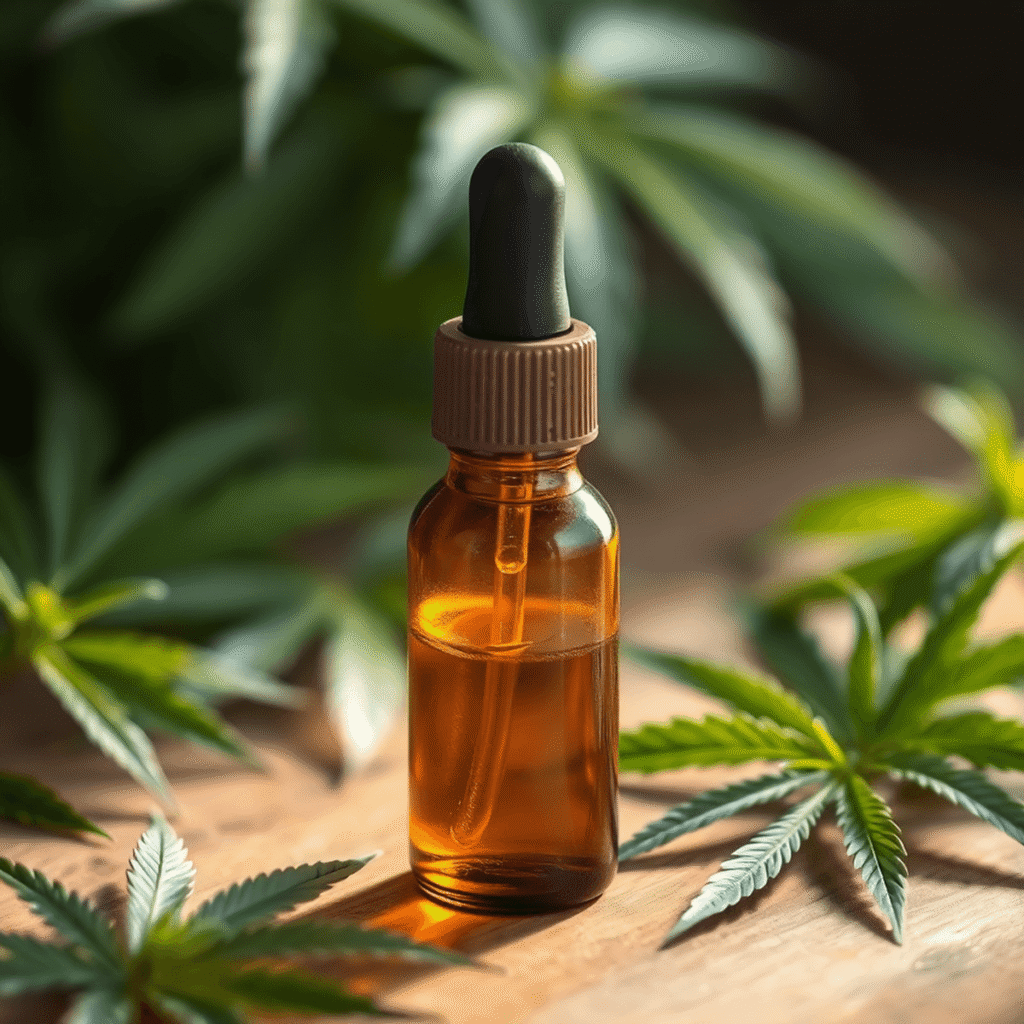

Rosin vs Resin: Which Is Worth the Extra Money?
Cannabis concentrates have surged in popularity among both new and experienced users seeking potent and flavorful experiences. The market offers a wide variety of concentrates, each with unique qualities that cater to different preferences. Among these, rosin and resin stand out as two of the most sought-after options.
This article tackles the question: Rosin vs Resin: Which Is Worth the Extra Money? By diving deep into their differences, we aim to provide a clear concentrate comparison to help you make an informed choice. Understanding what sets rosin apart from resin in terms of extraction methods, potency, flavor, and cost is essential for anyone navigating the cannabis concentrate landscape.
For instance, it’s important to note that how cannabis concentrates are made, which includes the specific techniques used in producing rosin and resin, can greatly influence their quality and price.
Value and cost-effectiveness remain top priorities for many consumers. You want to know if spending more on rosin or resin truly delivers a better experience or if one offers more bang for your buck. This guide focuses on practical insights so you can weigh your options confidently before making a purchase.
Understanding Rosin and Resin: Definitions and Origins
When exploring cannabis concentrate types, it’s essential to understand what rosin and resin are, along with their origins within the cannabis extraction landscape.
1. Definition of Rosin
Rosin is a solventless cannabis concentrate created by applying heat and pressure to cannabis plant material such as flowers, hash, or kief. This mechanical process squeezes out the oils containing cannabinoids and terpenes without using any chemical solvents. The result is a pure, terpene-rich extract prized for its clean flavor profile and natural essence. Rosin can take various forms, including flower rosin, hash rosin, and live rosin — the latter made from freshly harvested plants processed shortly after harvest to preserve maximum terpene content.
2. Definition of Resin
Resin refers broadly to cannabis extracts obtained through solvent-based methods. Live resin is a popular subtype extracted using solvents like butane or ethanol from freshly frozen cannabis plants. This freezing preserves the plant’s terpene profile and cannabinoid potency better than traditional cured extractions. Resin concentrates generally have higher THC levels due to the efficiency of solvent extraction but may carry trace amounts of residual solvents if not thoroughly purged.
3. Origins in Cannabis Concentrates
Both rosin and resin emerged as responses to consumer demands for potent, flavorful cannabis extracts but differ fundamentally in their approach:
- Rosin evolved as an accessible, solventless alternative emphasizing purity and maintaining the plant’s natural terpene profile through heat and pressure alone. Its roots lie in traditional hash-making techniques adapted for modern concentrate production without chemicals.
- Resin developed alongside advances in closed-loop extraction technology that enabled safe use of solvents to isolate cannabinoids and terpenes efficiently. Live resin specifically arose from innovations aiming to capture fresh plant aromas lost during drying or curing phases by flash-freezing plants pre-extraction.
Understanding these foundational definitions clarifies why rosin appeals to those prioritizing chemical-free processes and flavor purity, while resin attracts users seeking high potency combined with rich aromatic profiles.
The Extraction Process: Solventless vs Solvent-Based Methods
Extraction techniques play a critical role in defining the quality, flavor, and potency of cannabis concentrates. The distinction between rosin and resin largely hinges on their extraction methods: solventless versus solvent-based processes.
Rosin: Mechanical Heat and Pressure
Rosin extraction relies on a straightforward mechanical process that applies heat and pressure to cannabis material such as flowers, hash, or kief. This method:
- Uses a rosin press machine or even hair straighteners at home for small batches.
- Applies controlled heat (typically between 180°F and 220°F) combined with firm pressure to squeeze out the resinous sap.
- Avoids any chemical solvents, making it a solventless technique.
- Preserves the natural terpene profile by minimizing degradation due to heat exposure.
- Produces a concentrate that is clean, pure, and free from residual chemicals or solvent traces.
The simplicity of this method contrasts with its labor-intensive nature. It requires careful control of temperature and pressure to optimize yield without compromising quality. Rosin extraction can be done on-site by consumers or small processors without specialized lab equipment.
Resin: Chemical Solvent Extraction
Resin is typically produced using chemical solvents like butane, propane, ethanol, or CO2 in professional laboratory environments. This solvent-based extraction involves:
- Soaking or blasting cannabis plant material with liquid solvents that dissolve cannabinoids and terpenes.
- Using low temperatures during extraction (especially for live resin) to preserve volatile compounds.
- Purging leftover solvents through vacuum ovens or other methods to ensure safety.
- Capturing a broader range of cannabinoids and terpenes due to the solvent’s efficiency in breaking down plant matter.
- Requiring sophisticated equipment such as closed-loop extraction systems and vacuum purgers operated by trained technicians.
Solvent extraction can yield higher potency concentrates because it extracts more cannabinoids than mechanical methods. However, it carries risks of residual solvents if the purging process is incomplete. The technique allows producers to create various concentrate consistencies like shatter, wax, sauce, and live resin.
Comparing Both Methods Side-by-Side
| Aspect | Rosin (Solventless) | Resin (Solvent-Based) |
| Extraction Technique | Heat + Pressure (Mechanical) | Chemical Solvents |
| Equipment Needed | Rosin press or simple tools | Closed-loop extractors, vacuum ovens |
| Processing Environment | Can be home-based or small-scale | Requires professional lab setting |
| Terpene Preservation | High (due to minimal heat & no solvents) | High but dependent on purge quality |
| Safety Considerations | Safer (no flammable solvents involved) | Requires strict handling protocols |
| Yield Efficiency | Moderate | High |
| Residue Risk | None | Possible residual solvents |
This comparison clarifies why rosin appeals to those prioritizing purity and chemical-free products while resin suits users seeking higher potency with complex flavor profiles captured via solvent-based precision.
The choice between solventless vs solvent
Potency, Flavor, and Cost: A Comprehensive Comparison Between Rosin and Resin
Understanding THC levels in concentrates is crucial when deciding between rosin and resin. Live resin often boasts higher cannabinoid content, particularly THC, due to the efficiency of solvent-based extraction methods. This process allows for a more complete capture of cannabinoids and terpenes from the cannabis plant, resulting in higher potency compared to rosin.
The Appeal of Rosin: Flavor Purity
Rosin offers a different kind of appeal centered on flavor purity. The mechanical heat and pressure method preserves terpenes without introducing solvents or chemicals. This leads to a cleaner taste and a more authentic terpene profile that many connoisseurs prefer. You experience the natural essence of the cannabis strain with minimal alteration. This terpene-rich profile makes rosin especially attractive for users who prioritize flavor over sheer potency.
The Bold Aroma of Live Resin
Live resin’s bold aroma captures the fresh plant’s essence vividly because it uses freshly frozen cannabis during extraction at low temperatures. The result is a concentrate bursting with aromatic compounds that replicate the living plant’s sensory experience. Users often describe live resin as having a richer, more complex flavor than other concentrates, including rosin.
Cost Factors: Production Methods Behind Pricing
Cost differences between these two concentrates stem largely from their respective production methods:
- Rosin: requires skilled labor and time-intensive processes since it relies on manual heat and pressure application without solvents. This labor-intensive approach elevates its price point despite the absence of expensive chemical inputs.
- Live resin: production involves costly solvents like butane or ethanol and specialized lab equipment to ensure safety and purity. Even though the extraction process is efficient, the overhead associated with solvent handling, purging residual chemicals, and quality control adds to its cost.
This pricing dynamic leads you to weigh not only potency but also purity and flavor preferences when asking: Rosin vs Resin: Which Is Worth the Extra Money? If you value a clean terpene experience with fewer additives, paying more for rosin might feel justified. However, if maximum THC potency combined with robust aroma matters most, investing in live resin could deliver better satisfaction.
Summary of Comparison
In summary of this comparison:
- Potency Comparison: Live resin generally surpasses rosin in THC levels.
- Flavor Profile: Rosin provides purer terpones; live resin offers bolder aromas.
- Cost Factors: Rosin’s labor demands increase price; live resin’s solvent-based labs add expense.
Your choice depends heavily on what aspects of the concentrate experience you prioritize—potency or purity—and how much you are willing to spend to achieve that balance.
Storage Tips for Maintaining Quality in Both Types of Concentrates
Proper storage is essential for preserving the potency, flavor, and overall quality of your cannabis concentrates. Whether you choose rosin or resin, following effective concentrate storage tips will help maintain their characteristics and extend their shelf life.
Keep Concentrates Away from Heat and Light
- Heat causes degradation of cannabinoids and terpenes, reducing potency and altering flavor.
- UV light breaks down delicate compounds, especially terpenes responsible for aroma and taste.
- Store both rosin and resin in a cool, dark place such as a drawer or cupboard.
Use Airtight Containers
- Exposure to air leads to oxidation, which diminishes THC content and terpene profiles.
- Glass jars with airtight seals are ideal; avoid plastic containers that may leach chemicals or stick to concentrates.
- Silicone containers can be used temporarily but are not recommended for long-term storage due to possible terpene absorption.
Maintain Stable Humidity Levels
- Excess moisture can cause mold growth or degrade concentrate texture.
- Too dry an environment can make concentrates brittle or crumbly.
- Aim for a stable, moderate humidity environment around 55% relative humidity when possible.
Avoid Frequent Handling
- Opening containers repeatedly exposes concentrates to air and contaminants.
- Use clean tools like dabbers to handle your rosin or resin without direct contact.
- Minimize exposure to prevent terpene loss and contamination.
Temperature Considerations Specific to Rosin and Resin
- Rosin’s terpene-rich profile is especially sensitive; refrigeration at around 40°F (4°C) can preserve freshness without causing crystallization.
- Resin can tolerate slightly lower temperatures but avoid freezing as it may alter texture and make handling difficult.
Label Your Storage Containers
- Include strain name, type of concentrate (rosin or resin), and date of extraction or purchase.
- Helps track freshness to use older products first before degradation sets in.
Adhering to these concentrate storage tips supports preserving terpenes and maintaining the full sensory experience you expect from quality cannabis concentrates. Proper care keeps your stash potent, flavorful, and enjoyable over time.
Making Your Choice: Rosin or Resin? Factors to Consider Based on Personal Preferences and Budget Constraints
Choosing between rosin and resin depends heavily on your individual priorities as a consumer. The concentrate buying guide below breaks down the essential elements to weigh before making your decision.
Potency Needs
- Resin typically boasts higher THC levels due to its solvent-based extraction method. If maximum potency is your goal for stronger effects, resin may better align with your needs.
- Rosin usually has slightly lower THC content but offers a cleaner, more natural experience. Users seeking balanced effects without compromising terpene integrity often prefer roin.
Flavor and Purity Preference
- If you value a pure terpene profile and chemical-free concentrate, rosin’s solventless extraction preserves delicate plant compounds resulting in a cleaner taste.
- For those drawn to bold aromas that capture the essence of fresh cannabis, live resin’s robust flavor achieved through low-temperature solvent extraction is appealing despite potential trace solvents.
- Sensitivity to residual solvents or preference for natural processing tips the scale toward rosin.
Budget Constraints
- Rosin tends to be pricier, reflecting the labor-intensive mechanical heat and pressure needed in its production. This cost premium compensates for the hands-on process and lack of chemicals.
- Resin production benefits from efficient solvent extraction technologies that reduce time and effort but require costly equipment and expertise, often balancing out price differences depending on product quality.
- Prices fluctuate regionally and by dispensary, but if budget is tight while still wanting high potency, resin may offer more affordable options.
Additional Considerations
- Usage Environment: Rosin can sometimes be easier to handle at home due to minimal processing chemicals.
- Health Concerns: Those worried about inhaling residual solvents generally lean toward rosin as a safer choice.
- Availability: Depending on your location, one concentrate type might be more accessible than the other.
You hold control over this decision by examining how these factors match your cannabis use style. Whether you prioritize strength, flavor purity, or cost-effectiveness will guide you toward rosin or resin as the ideal concentrate for your needs.
EZBud.com: Your Go-To Source for Quality Cannabis Concentrates in Long Island NY
Finding a reliable source to buy cannabis concentrates online in Long Island, NY can be challenging. EZBud.com stands out as a trusted delivery service that caters to both novice and experienced concentrate users. Whether you prefer rosin or resin, EZBud offers a comprehensive selection tailored to your needs.
Key features of EZBud delivery services include:
- Wide variety: Access premium rosin and live resin products, ensuring you find the concentrate that fits your potency, flavor, and budget preferences.
- Convenience: Order easily through their user-friendly online platform without leaving your home.
- Fast delivery: Enjoy prompt service across Suffolk and Nassau Counties, getting your concentrates when you want them.
- Quality assurance: Every product undergoes thorough testing to guarantee safety and consistency.
Choosing between rosin vs resin: which is worth the extra money? EZBud.com provides detailed product descriptions and knowledgeable customer support to help you make an informed decision. Their dedication to quality and accessibility makes them a top choice for cannabis concentrate enthusiasts on Long Island.
If you’re ready to explore premium cannabis concentrates with the ease of online shopping and swift local delivery, EZBud.com delivers on both fronts—bringing exceptional rosin and resin right to your doorstep.
FAQs (Frequently Asked Questions)
What are the main differences between rosin and resin cannabis concentrates?
Rosin is a solventless cannabis concentrate extracted using mechanical heat and pressure, resulting in a pure terpene experience with a cleaner taste. Resin, often referred to as live resin, is produced through solvent-based chemical extraction methods that capture the bold aroma and fresh essence of the plant.
How do the extraction processes of rosin and resin differ?
Rosin is extracted using a mechanical heat and pressure method without any solvents, making it a solventless concentrate. In contrast, resin is produced through solvent-based extraction techniques involving chemicals that efficiently extract cannabinoids and terpenes from the cannabis plant.
Which concentrate offers higher potency and better flavor: rosin or resin?
Both rosin and resin offer high THC levels, but they differ in flavor profiles. Rosin provides a purer terpene experience with a cleaner taste due to its solventless process, while live resin captures a bolder aroma reflecting the fresh plant essence. The choice depends on personal preference for flavor versus purity.
Why is rosin typically more expensive than resin concentrates?
Rosin tends to be pricier because its extraction is labor-intensive and solventless, requiring precise mechanical heat and pressure methods. Resin production, although involving costly chemical solvents, benefits from efficient processing techniques that can reduce overall costs compared to rosin.
What are the best storage practices to maintain quality in both rosin and resin concentrates?
To preserve the longevity and terpene profiles of both rosin and resin, store them in airtight containers away from light, heat, and humidity. Keeping concentrates in cool, dark environments helps maintain their potency and flavor over time.
Where can I buy quality rosin and resin cannabis concentrates online in Long Island NY?
EZBud.com is a trusted cannabis delivery service in Long Island NY offering both high-quality rosin and resin concentrates. They provide convenient online ordering with fast delivery across Suffolk & Nassau Counties, ensuring access to premium cannabis concentrates tailored to your preferences.