
Sativa vs Indica Isn’t the Point—Here’s What Is
When it comes to cannabis strains, the first thing most people think of is whether it’s Sativa or Indica. This simple classification has influenced how consumers, dispensaries, and even growers discuss cannabis effects for many years. Sativa strains are generally known for their uplifting and energizing effects, while Indica strains are associated with relaxation and sedation.
This system was originally created as a basic way to describe different types of cannabis plants based on their physical features. Although it had its use in the early days of cannabis culture, relying solely on Sativa vs Indica to predict effects can often be misleading. The truth is more complicated. Many users discover that strains labeled as Sativa don’t always provide an energetic high, and some Indicas might not induce heavy sedation.
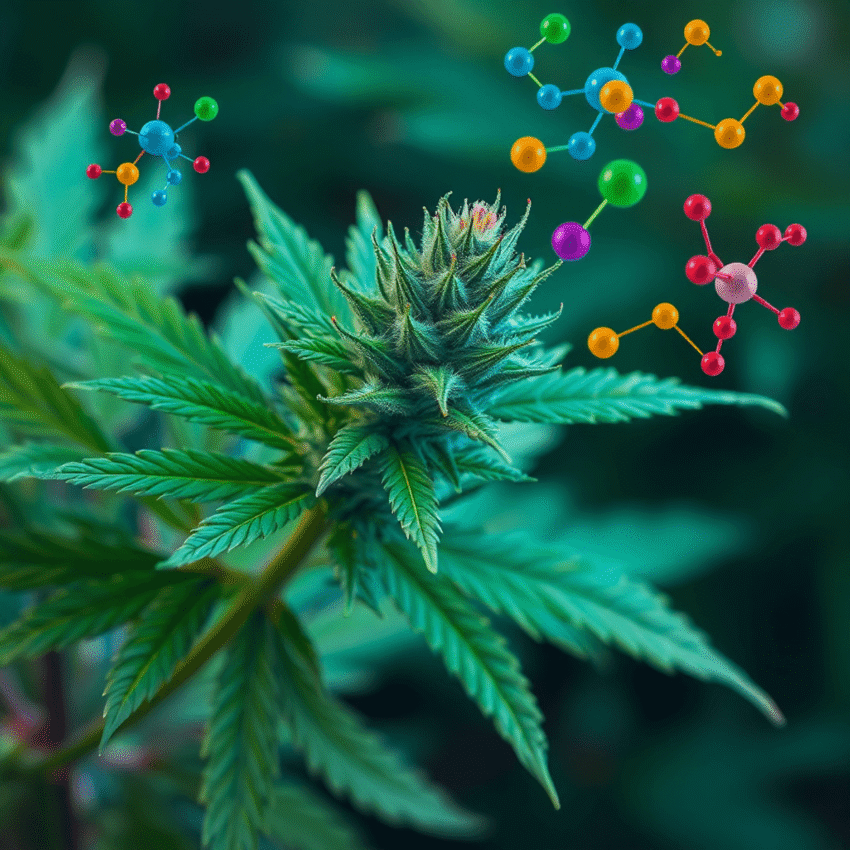
The answer lies beyond these strain labels. Scientific research now shows that the real factors determining cannabis effects are its chemical profiles—the specific combinations and amounts of cannabinoids like THC and CBD, along with aromatic compounds known as terpenes. These chemical elements interact in distinct ways to shape your experience.
This article delves into why concentrating on Sativa vs Indica isn’t the main focus—here’s what truly matters: understanding cannabinoid and terpene profiles gives you better control over the effects you desire from cannabis. You’ll learn to look beyond traditional strain categories and select products based on what really counts for your desired outcome.
The Origins of Sativa and Indica Classifications
The distinction between Sativa and Indica began as a botanical classification based on observable traits within the cannabis species. Early botanists categorized cannabis plants according to their plant morphology—the physical characteristics such as leaf shape, height, and growth patterns.
Key features that defined these botanical categories include:
- Leaf Shape: Sativa plants typically have long, narrow leaves, while Indica plants exhibit broader, shorter leaves.
- Plant Height: Sativas grow tall, often reaching several feet with a more open branching structure.
- Growth Patterns: Indicas tend to be bushier and denser, adapting well to cooler climates and shorter growing seasons.
These classifications were initially intended to describe different subspecies or varieties within the cannabis genus rather than predict the effects experienced by users.
As the cannabis market expanded, Sativa and Indica morphed from scientific descriptors into consumer-facing strain categories. Dispensaries and growers adopted these terms to communicate expected experiences:
- Sativa became associated with uplifting, energetic effects.
- Indica was linked to relaxing or sedative sensations.
The widespread use of these labels helped simplify purchasing decisions for consumers but also introduced challenges. Using physical traits as a proxy for effects has significant limitations:
- Cannabis plants can display hybrid characteristics due to extensive crossbreeding.
- Chemical profiles vary widely within strains sharing similar morphology.
- Environmental factors during cultivation influence cannabinoid and terpene production beyond what plant shape can indicate.
Relying solely on botanical classification overlooks the complexities in cannabis chemistry that ultimately shape user experience. This gap between appearance and effect contributed to confusion and inconsistent expectations among consumers.
Why Sativa vs Indica Is an Oversimplification
Consumers often expect strain effects to align neatly with the Sativa or Indica label. Sativas are typically associated with uplifting, energizing experiences, while Indicas are linked to relaxation and sedation. Reality paints a different picture. Effects can vary widely even among strains carrying the same label.
- Individual plants within a so-called Sativa strain might produce calming sensations.
- Some Indica-labeled strains may invoke alertness or creativity rather than couch-lock.
This variation arises because the physical traits that define these categories do not dictate chemical composition. Cannabinoid and terpene profiles, which truly influence the user experience, can differ drastically within plants sharing the same botanical classification.
Labeling inconsistencies add to the confusion:
- Dispensaries often market strains using popular names without standardized definitions.
- Growers may crossbreed strains but maintain original labels for branding purposes.
- A single strain name can represent multiple chemovars with distinct effects in different regions or sellers.
These factors lead to misleading labels that do not reliably predict how a product will affect you. When users approach cannabis with fixed expectations based on Sativa or Indica tags, disappointment or surprises become common.
User expectations shaped by these traditional categories create a feedback loop:
“I bought an Indica for sleep but felt stimulated instead.”
“This Sativa was supposed to energize me but made me anxious.”
Such experiences highlight how strain labels often fail to capture the nuances of cannabis chemistry that drive actual effects.
Understanding this variability invites a shift away from broad classifications toward examining detailed chemical profiles for more accurate insight into what your cannabis experience will be like.
The Real Drivers Behind Cannabis Effects: Cannabinoids and Terpenes
Understanding why Sativa vs Indica Isn’t the Point—Here’s What Is requires a closer look at the chemical compounds responsible for cannabis effects. These compounds fall mainly into two categories: cannabinoids and terpenes. Each plays a distinct role, but their interaction creates the full experience users seek.
Cannabinoids: THC and CBD
Cannabinoids are naturally occurring chemical compounds found in the cannabis plant. The two most well-known cannabinoids are:
- THC (tetrahydrocannabinol): This is the primary psychoactive component of cannabis. THC binds to cannabinoid receptors in your brain, producing the euphoric “high” sensation. It also influences mood, appetite, pain perception, and memory.
- CBD (cannabidiol): Unlike THC, CBD is non-intoxicating and known for its calming and therapeutic effects. It can reduce anxiety, inflammation, and seizures without causing a high. CBD also modulates some of THC’s psychoactive effects, often softening the intensity.
Many other cannabinoids exist in smaller quantities, but THC and CBD dominate the conversation because of their significant impact on how cannabis affects your body and mind.
Terpenes: The Aromatic Influencers
Terpenes are fragrant oils secreted by cannabis flowers that give each strain its unique aroma and flavor profile. These compounds influence physiological responses as well as mood states.
Common terpenes include:
- Myrcene: Often associated with earthy or musky scents; linked to muscle relaxation and sedation.
- Limonene: Citrus-scented terpene that may elevate mood and reduce stress.
- Pinene: Pine aroma; known for promoting alertness and memory retention.
Terpenes don’t just affect smell—they interact with cannabinoids to influence how you feel after consumption. Their presence can shift an experience from calming to uplifting or vice versa.
The Entourage Effect: Synergy That Shapes Experience
The concept of the entourage effect explains how cannabinoids and terpenes work together synergistically rather than acting alone. Instead of isolating THC or CBD’s effects, this theory suggests that the combination of multiple cannabinoids plus terpenes produces a greater impact on your body’s endocannabinoid system.
For example:
- A strain rich in THC but also containing calming myrcene may produce a more relaxed high.
- Another strain with similar THC levels but dominated by energizing limonene might feel more stimulating.
This synergy makes relying solely on Sativa or Indica labels misleading. The real drivers behind cannabis effects lie in specific chemical profiles—a nuanced blend of cannabinoids and terpenes working in concert to deliver unique experiences tailored to individual preferences.
Key Cannabinoid Profiles to Understand
Understanding THC levels, CBD benefits, and cannabinoid ratios is essential for selecting cannabis products that match your desired experience. Each cannabinoid interacts with your body differently, shaping effects that range from euphoric to therapeutic.
THC: The Psychoactive Powerhouse
- Tetrahydrocannabinol (THC) is the primary psychoactive compound in cannabis responsible for the classic “high.”
- THC binds to cannabinoid receptors in the brain, producing effects such as euphoria, altered perception, increased appetite, and sometimes anxiety or paranoia at higher doses.
- The intensity of psychoactivity depends heavily on the THC concentration; strains with higher THC levels typically deliver stronger mind-altering effects.
- You might find strains with THC content ranging from below 10% in mild products to over 30% in potent concentrates.
CBD: Calming Without Intoxication
- Cannabidiol (CBD) is non-intoxicating and widely valued for its calming and therapeutic properties.
- CBD interacts differently with the endocannabinoid system, often modulating or counteracting some of THC’s psychoactive effects.
- Benefits attributed to CBD include anxiety reduction, anti-inflammatory effects, seizure control, and pain relief.
- Products high in CBD but low in THC allow you to experience these benefits without feeling “high,” making them popular among medical users and those new to cannabis.
How Cannabinoid Ratios Shape User Experience
The relationship between THC and CBD—their ratio—plays a crucial role in determining how a product will affect you:
- High THC / Low CBD: Produces strong psychoactive effects with limited modulation by CBD. May cause intense euphoria but also increase risk of anxiety or paranoia in sensitive users.
- Balanced THC / CBD: Offers a middle ground where CBD tempers THC’s intensity. This combination can provide a clear-headed euphoria with reduced side effects.
- Low THC / High CBD: Minimizes intoxication while maximizing therapeutic benefits like relaxation and pain relief. Ideal for those seeking symptom relief without impairment.
Understanding these cannabinoid profiles empowers you to choose strains aligned with your goals—whether that’s recreational enjoyment, managing anxiety, relieving pain, or improving sleep quality. Rather than relying on Indica or Sativa labels, looking at precise cannabinoid ratios gives you clearer insight into what you can expect from your cannabis experience.
Terpenes That Matter Most for Effects Beyond Labels
Terpene profiles play a crucial role in shaping the effects of cannabis, often overriding the traditional Sativa and Indica distinctions. These aromatic compounds not only influence a strain’s scent and flavor but also modulate its physiological and psychological impact. Understanding the dominant terpenes in a product can guide you toward a more precise cannabis experience.
Common Terpenes and Their Effects
1. Myrcene
Known for its earthy, musky aroma, myrcene is one of the most abundant terpenes in cannabis. It is strongly associated with relaxation and sedation. Strains high in myrcene tend to promote calmness and may help with sleep or muscle relaxation. This terpene can make a strain feel more “Indica-like” regardless of its label.
2. Limonene
With a citrusy, bright scent, limonene is linked to mood elevation and stress relief. It has uplifting properties that can induce feelings of happiness and energy. Strains rich in limonene might produce an invigorating effect that feels more “Sativa-like,” even if classified otherwise.
3. Pinene
Pinene smells like pine forests and is known for promoting alertness and improved focus. This terpene can counteract some of THC’s sedative effects, helping users stay sharp and clear-headed. Pinene-rich strains often provide an energizing or cerebral experience.
How Terpene Dominance Shapes Effects
The dominance of certain terpenes within a strain’s chemical makeup often determines whether the experience will be relaxing or energizing — a factor that can be much more reliable than the Indica/Sativa label printed on packaging. For example:
- A strain labeled as Indica but high in limonene might stimulate alertness rather than sedation.
- Conversely, a Sativa-labeled strain with abundant myrcene could produce calming effects typically expected from an Indica.
This variability highlights why relying solely on labels can lead to unpredictable results.
Reading Terpene Profiles for Better Choices
When selecting cannabis products, look beyond just THC and CBD percentages. Examine the terpene profiles provided by lab testing whenever possible. Some common terpene combinations include:
- Myrcene + Caryophyllene: Deep relaxation with mild pain relief.
- Limonene + Pinene: Energizing mood boost with enhanced focus.
- Humulene + Linalool: Anti-inflammatory with calming effects.
Identifying these terpene patterns allows you to match your desired effect more accurately than traditional strain categories allow.
Paying attention to terpene dominance helps you navigate cannabis options with greater confidence, ensuring your choice aligns closely with your needs—whether that’s relaxation, mood enhancement, or alertness.
How to Choose Cannabis Products Based on Chemical Profiles Instead of Strain Names
When selecting cannabis products, relying solely on Sativa or Indica labels limits your ability to find the right experience. Chemical analysis through lab testing offers a clearer picture of what you’re getting.
Why Lab Testing Matters
Lab results reveal precise levels of cannabinoids like THC and CBD.
Terpene profiles show which aromatic compounds dominate and hint at expected effects.
Verified data reduces guesswork and inconsistency common in strain naming.
Reading Product Information
Packaging and dispensary menus often include cannabinoid percentages and terpene lists. Here’s how to interpret them:
- THC Percentage: Indicates psychoactive potency. Higher THC usually means stronger euphoria or intensity.
- CBD Content: Helps balance THC effects with calming, non-intoxicating properties.
- THC-to-CBD Ratio: A product with balanced ratios may produce milder effects compared to one heavily skewed toward THC.
Understanding Terpene Profiles
Look for dominant terpenes to predict mood shifts or physical sensations:
- Myrcene: Suggests relaxation or sedation.
- Limonene: Points toward uplifting, mood-enhancing effects.
- Pinene: May promote alertness and focus.
Tips for Smarter Product Selection
- Check for Lab Certificates: Verify that products come with up-to-date lab testing results from reputable sources.
- Compare Similar Profiles: If you liked a previous product, find others with similar cannabinoid and terpene compositions instead of chasing strain names.
- Ask Dispensary Staff: Skilled budtenders can help decode chemical profiles and recommend products aligning with your desired effects.
- Use Online Resources: Many platforms provide detailed cannabinoid and terpene information—leverage these tools before making choices.
Shifting your focus from Sativa vs Indica to chemical profiles empowers you to tailor cannabis experiences effectively. You gain control over product selection by understanding what cannabinoids and terpenes contribute rather than relying on broad, often misleading categories.
Practical Application for Consumers Ordering from EZBud.com
EZBud.com offers a wide range of cannabis products with a focus on transparency and informed decision-making. Each product includes detailed lab testing data, making it easier for you to understand the specific cannabinoid and terpene profiles. This information allows you to choose cannabis that matches your desired effects instead of relying on traditional Sativa or Indica labels.
Key benefits of using EZBud.com for cannabis ordering:
-
Lab-Tested Transparency: Every product includes verified lab results, displaying THC, CBD levels, and terpene content. This clarity helps you pinpoint strains that promote relaxation, focus, or mood enhancement based on their chemical makeup.
-
Wide Product Range: From flower and pre-rolls to concentrates and edibles, the variety available caters to different preferences and needs. You can explore options with specific cannabinoid ratios or terpene dominance for targeted experiences.
-
Convenient Delivery Options: Same-day delivery is available in Suffolk County, ensuring you get your chosen products quickly without compromising quality. Nassau County customers benefit from reliable next-day delivery, making it simple to access preferred cannabis products without delay.
-
User-Friendly Online Platform: The website’s interface highlights chemical profiles alongside product descriptions. This setup supports educated decision-making during online cannabis ordering by clearly emphasizing what matters most for your experience.
-
Customer Support Expertise: If you need assistance interpreting lab reports or want personalized recommendations based on cannabinoid and terpene preferences, EZBud.com’s knowledgeable customer service team is ready to help.
By focusing on chemical profiles through EZBud.com cannabis delivery Long Island services, you gain control over your cannabis experience. Moving beyond just Sativa vs Indica categories opens up a more nuanced way to find the right products tailored specifically to how you want to feel.
Conclusion
Understanding cannabis through the lens of cannabinoids and terpenes transforms how you approach consumption. Moving beyond the outdated Sativa vs Indica framework allows you to make informed choices tailored specifically to your desired effects.
Consider these key takeaways for better cannabis education and personalized consumption:
- Focus on the chemical profile—look at THC, CBD, and terpene content rather than relying on strain labels.
- Recognize that individual experiences vary widely; what works well for one person may not for another even within the same strain category.
- Use lab-tested information to guide your selections, helping you find products that truly match your needs.
Embracing this nuanced approach leads to more satisfying and predictable cannabis experiences. You gain control over your journey by understanding the compounds that drive effects instead of relying on broad, misleading classifications.
FAQs (Frequently Asked Questions)
What is the traditional difference between Sativa and Indica cannabis strains?
Traditionally, Sativa and Indica refer to botanical classifications based on physical traits such as leaf shape, plant height, and growth patterns. Sativa plants are typically taller with narrow leaves, while Indica plants are shorter with broader leaves.
Why is the Sativa vs Indica classification considered misleading when choosing cannabis products?
The Sativa vs Indica classification is often misleading because it oversimplifies the effects of cannabis. Effects can vary widely within strains labeled as Sativa or Indica, and labeling inconsistencies across dispensaries make it unreliable for predicting user experience.
What factors actually determine the effects of a cannabis strain?
The effects of cannabis are primarily driven by its chemical profile, specifically cannabinoids like THC and CBD, and terpenes such as myrcene, limonene, and pinene. These compounds interact synergistically in what is known as the entourage effect to shape the overall experience.
How do cannabinoids like THC and CBD influence cannabis effects?
THC is responsible for the psychoactive effects and euphoria commonly associated with cannabis use. CBD offers calming and therapeutic benefits without intoxication. The ratio of THC to CBD in a product significantly affects how it impacts mood, relaxation, or alertness.
What role do terpenes play in the cannabis experience beyond strain labels?
Terpenes influence the aroma, mood, and physiological effects of cannabis. For example, myrcene promotes relaxation, limonene elevates mood, and pinene enhances alertness. Terpene dominance can determine whether a strain feels energizing or calming regardless of its Indica or Sativa label.
How can consumers choose cannabis products more effectively than relying on Sativa or Indica labels?
Consumers should focus on lab-tested cannabinoid and terpene profiles when selecting products. Reviewing this chemical analysis helps tailor choices to desired effects. Utilizing resources like EZBud.com’s product information and consulting knowledgeable staff can enhance personalized consumption experiences.